Restoring Doc Pomus

By Michael Graves

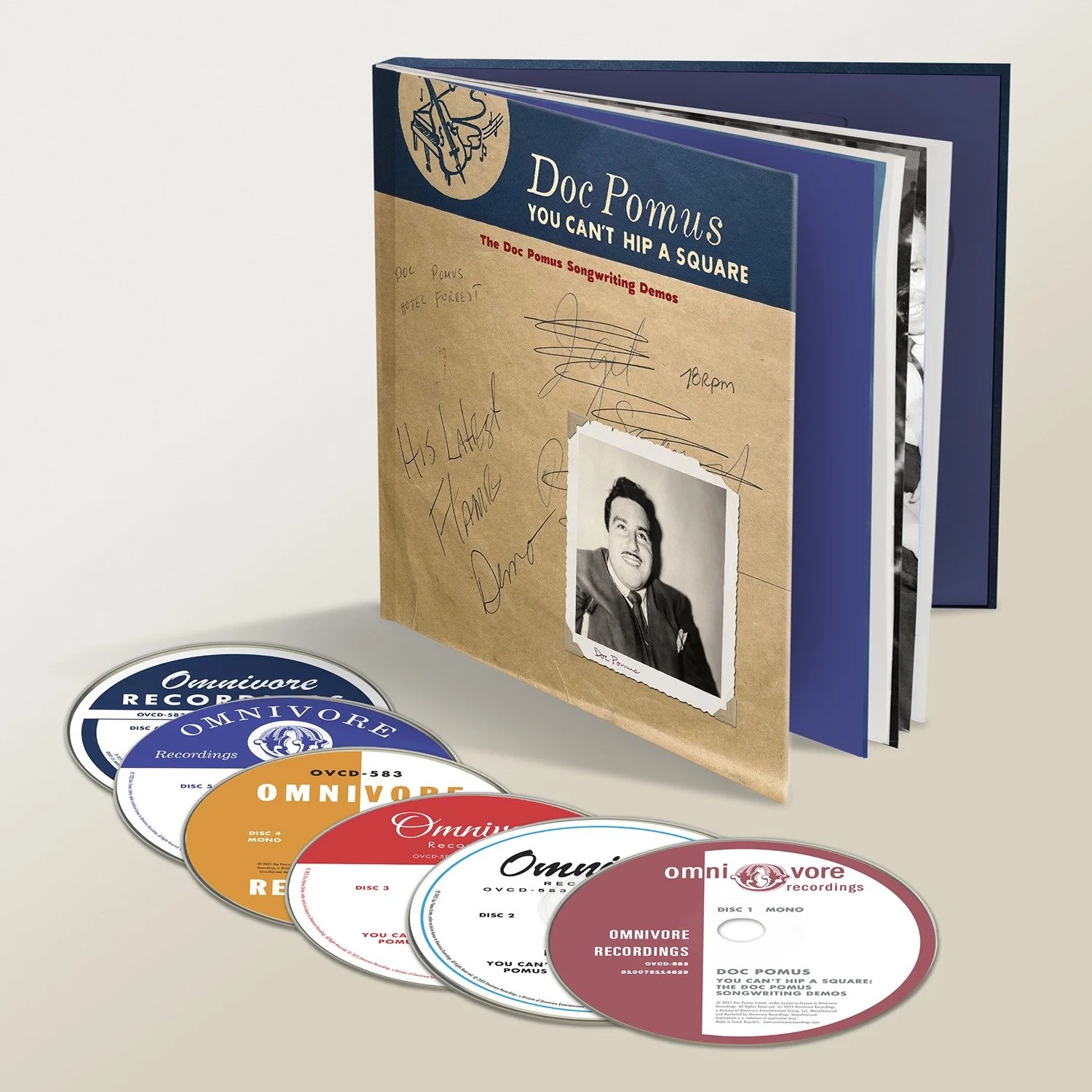
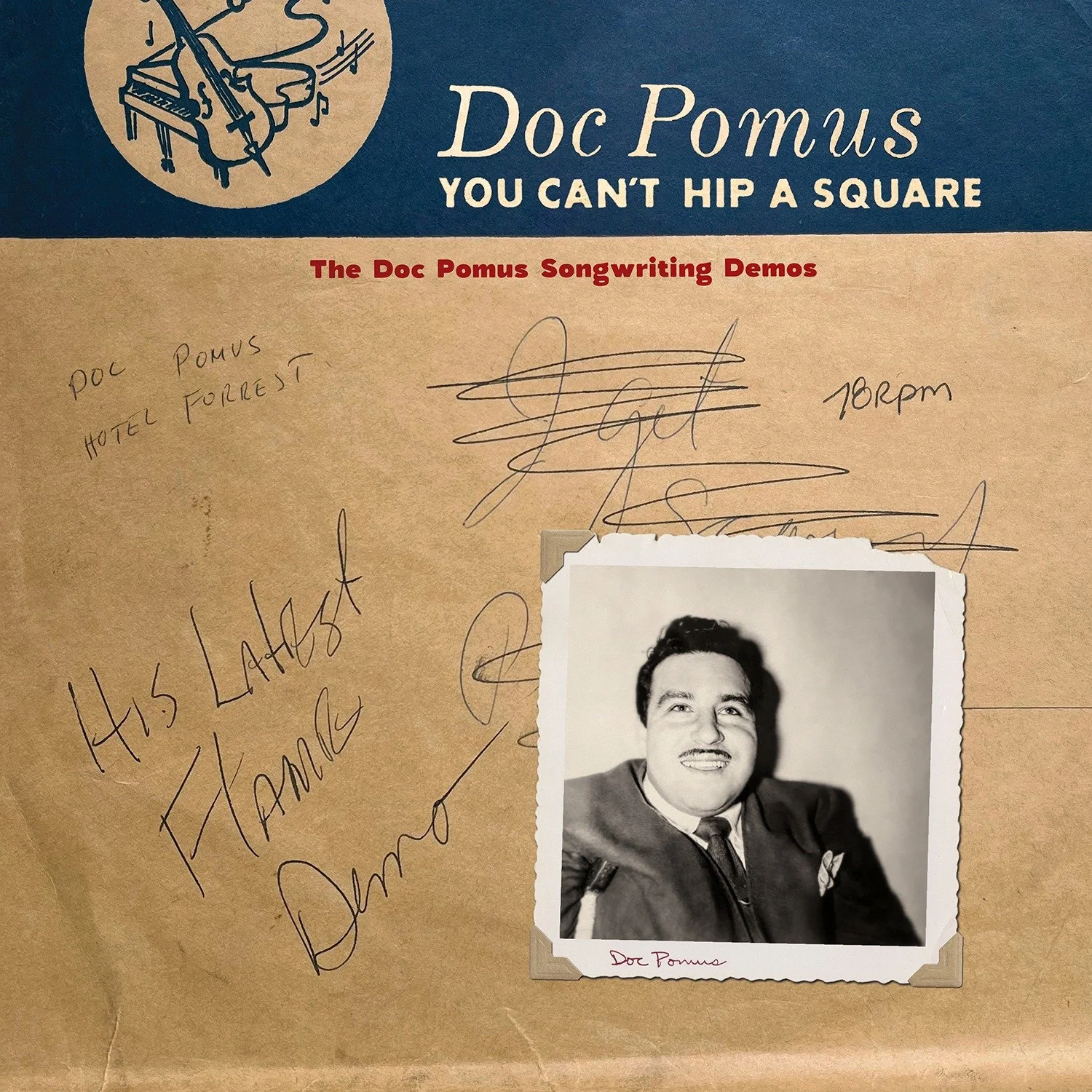
On August 15, 2025, Omnivore Recordings released Doc Pomus – You Can’t Hip A Square: The Doc Pomus Songwriting Demos. The project had been quietly taking shape for well over a year.  What follows is a look behind the scenes at how it came together — slowly, imperfectly, and often against expectations. Because things almost never go as planned.

Before diving into acetates, noise floors, and restoration techniques, it’s worth stepping back for a moment to consider the life of a song. How an idea, sung into a tape recorder or scratched into a lacquer disc, can travel decades forward in time and still feel alive.

That clip represents just one song in Doc Pomus’ vast catalog. You already know many of the others: “Save The Last Dance For Me,” “This Magic Moment,” “A Teenager In Love,” and the Elvis recordings “Viva Las Vegas,” “Little Sister,” and “Suspicion,” among hundreds more. These songs have endured not just because they were hits in the past, but because they continue to speak to listeners today and have passed into the realm of what we consider standards.

A Songwriter’s Songwriter

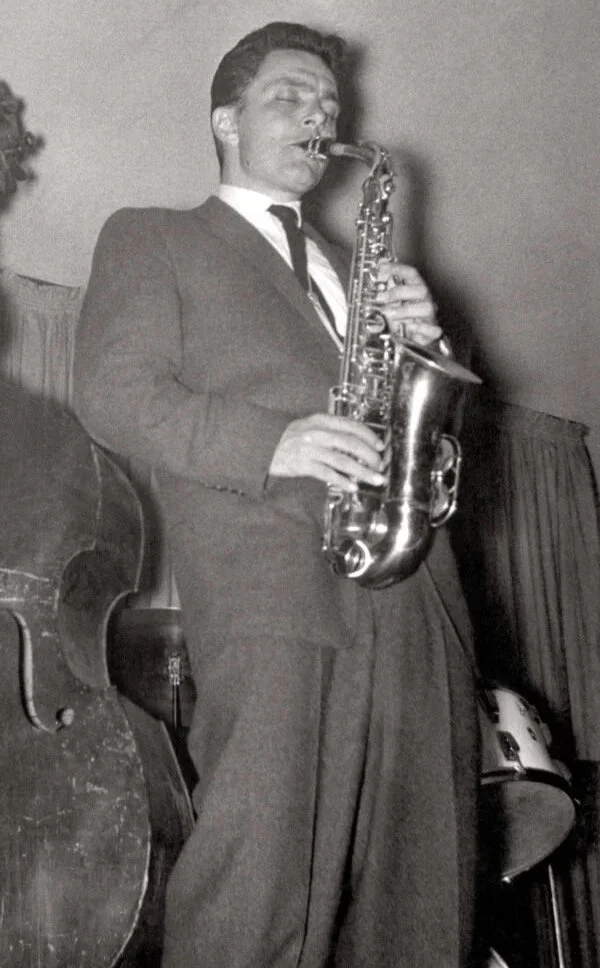
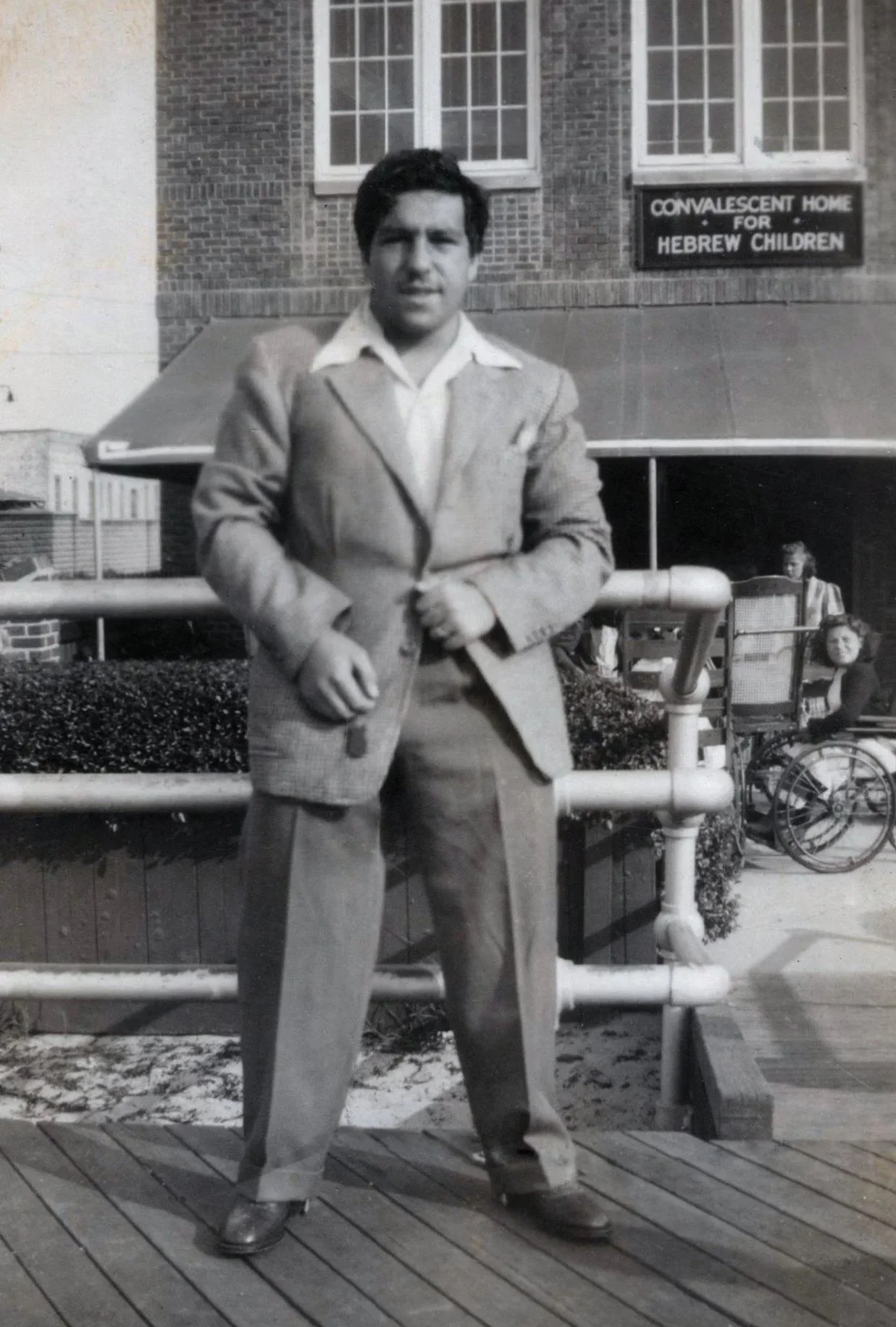
Doc Pomus

Doc Pomus, born Jerome Felder in June of 1925, was a songwriter’s songwriter in the truest sense. Though he began as a blues singer, his lasting legacy came through the songs he wrote for others. Over the course of his life, he was inducted into the Rock & Roll Hall of Fame, the Songwriters Hall of Fame, and the Blues Hall of Fame — a rare trifecta that hints at both the breadth and depth of his work.

Doc contracted polio as a child and lived with its effects for the rest of his life. He moved through the world first with braces and crutches, later in a wheelchair. He sang in New York’s African-American clubs and recorded for labels like Chess, Savoy, and Atlantic. In the early 1950s, he turned increasingly toward songwriting, and artists began recording his work almost immediately. “Lonely Avenue,” recorded by Ray Charles, marked a turning point.

After marrying in 1957 and starting a family, Doc stepped away from performing entirely and committed himself to songwriting — not as a creative retreat, but as a way to build a stable life through his craft.

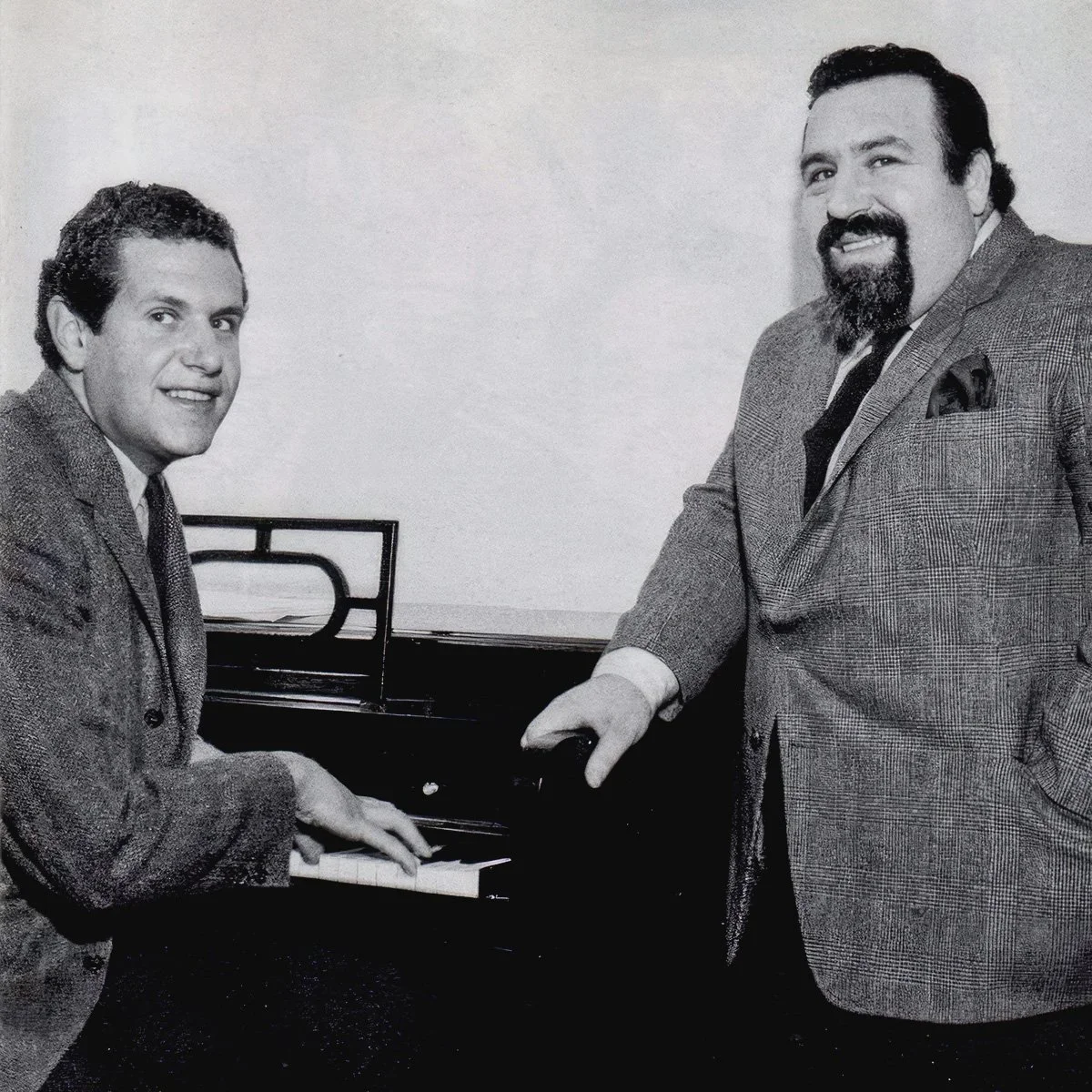
Mort Shuman and Doc Pomus

His most enduring partnership came with Mort Shuman, who entered Doc’s life while dating Pomus’ younger cousin. Mort was younger, full of raw talent, and acutely aware of what young listeners were responding to. Doc recognized that instinct and took him under his wing. Together, they wrote an extraordinary body of work.

Over the course of his career, Doc also collaborated with Phil Spector, Ellie Greenwich, Bette Midler, Dr. John, and Lieber & Stoller. John Lennon, Bob Dylan, Bruce Springsteen, Paul Simon, and Lou Reed counted themselves as admirers. Dylan, in particular, held Doc in such esteem that he dedicated his most recent book to him.

For those wanting to go deeper, Doc’s daughter Sharyn Felder produced the documentary AKA Doc Pomus, which fills in many of the remaining chapters.

The Project Takes Shape

In early 2024, my friend and longtime collaborator Cheryl Pawelski told me the Doc Pomus project was coming together. Much of the source material we would be working from lived on Doc’s original acetates — fragile, irreplaceable artifacts that were never meant to survive this long.

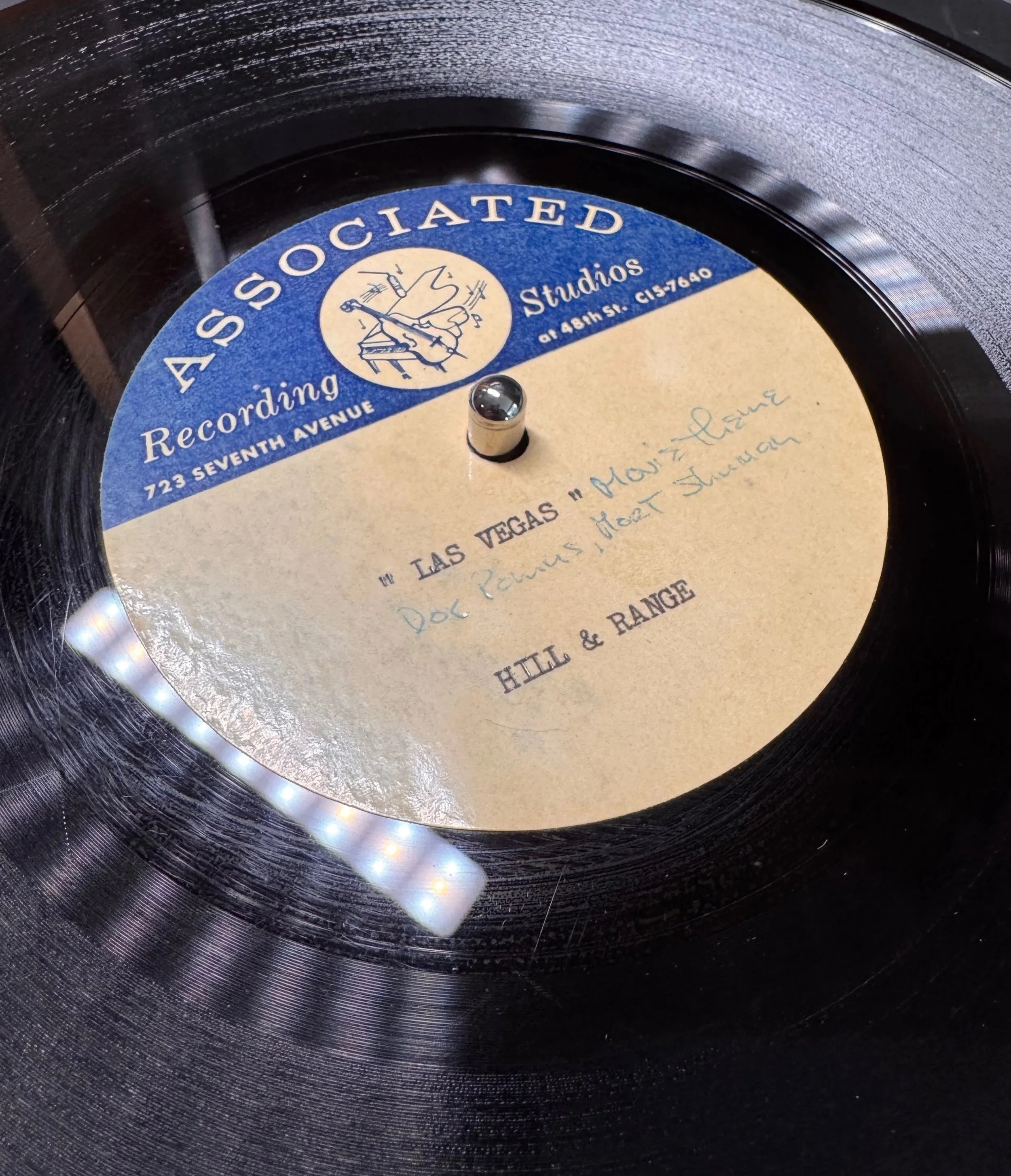
Original Viva Las Vegas acetate

For anyone unfamiliar, acetates are lacquer-coated discs — often aluminum, sometimes glass or cardboard — onto which sound is cut directly, in real time. They go by many names: acetates, lacquers, dub plates, instantaneous recordings. They look like records, and they can be played immediately. That immediacy made them perfect for songwriters like Doc, who could hand them off to a potential client the moment it was recorded.

When treated carefully and restored properly, those discs can sound every bit as good as a master tape.

The Pomus estate, overseen by Sharyn Felder and her husband Will Bratton in New York, held more than 300 of these original acetates. Shipping them across the country wasn’t something anyone felt comfortable doing. When Cheryl raised the concern, I suggested we bring the studio to them.

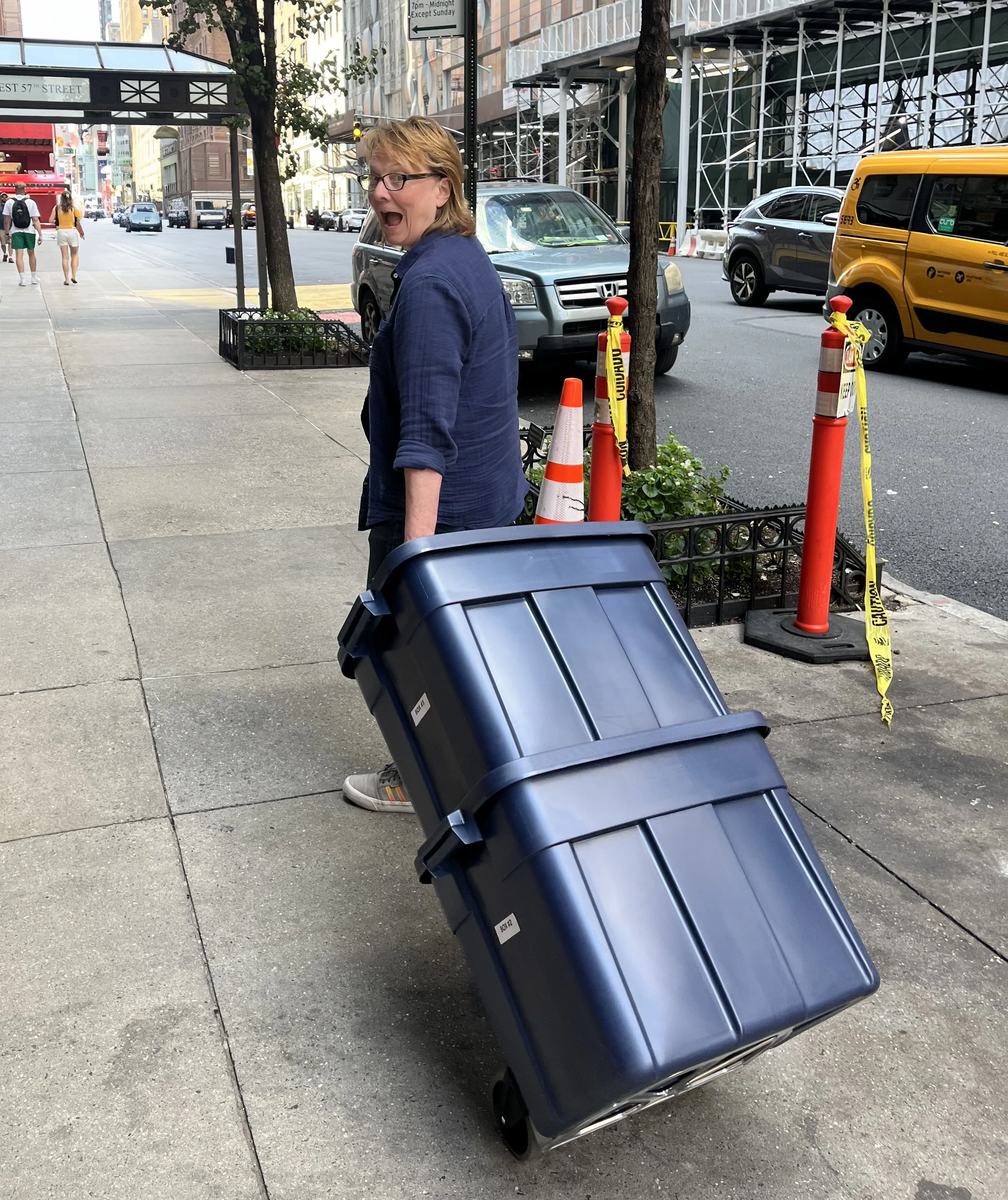
Cheryl Pawelski transporting valuable cargo.

After working through the logistics, we decided to set up in a hotel and transfer all of the acetates there. I estimated five days to complete the transfers, with help from Cheryl and both of our wives. Joy Graves is no stranger to acetate preservation — she’s handled hundreds here at Osiris Studio. Cheryl would take detailed notes on each disc, and her wife Audrey Bilger would assist wherever needed.

In August 2024, we booked a hotel suite near Sharyn and Will, to minimize transport of the discs, and set up shop.


At first, everything moved smoothly.

Then the acetates began to remind us what they are.

Working Against Time and Decay

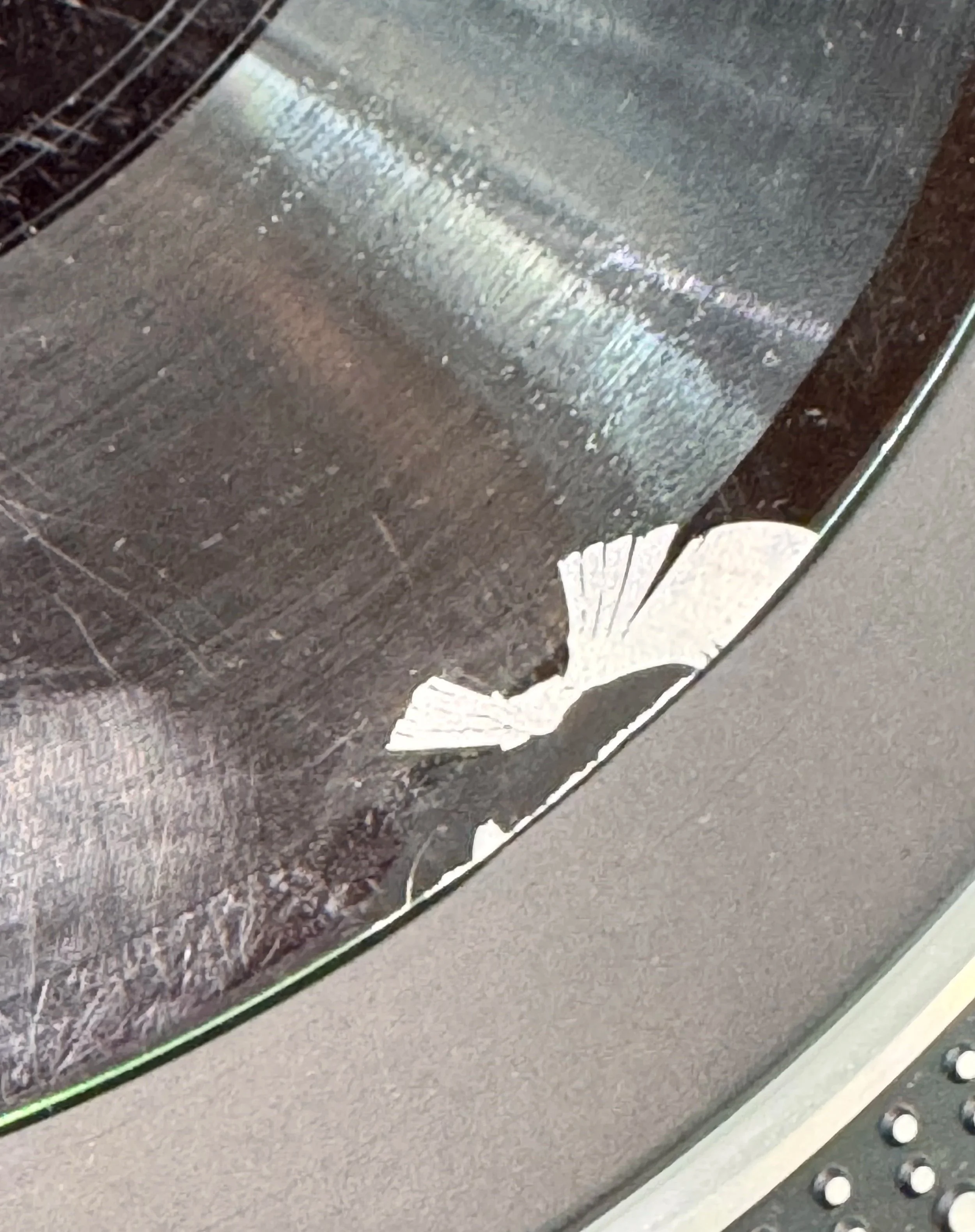
Acetates can be challenging. Aluminum bends easily. Lacquer cracks, flakes, and quietly deteriorates. A stylus can lose the groove with the slightest imperfection.

To navigate this, I use a thumb technique — something I’ve relied on for years when dealing with warped or damaged discs. My thumb becomes a shock absorber, applying just enough pressure to keep the stylus seated while allowing it to move inward as the disc spins. At 78 RPM, that inward motion happens quickly. Misjudge it, and the “correction” will cause the record will skip as well.

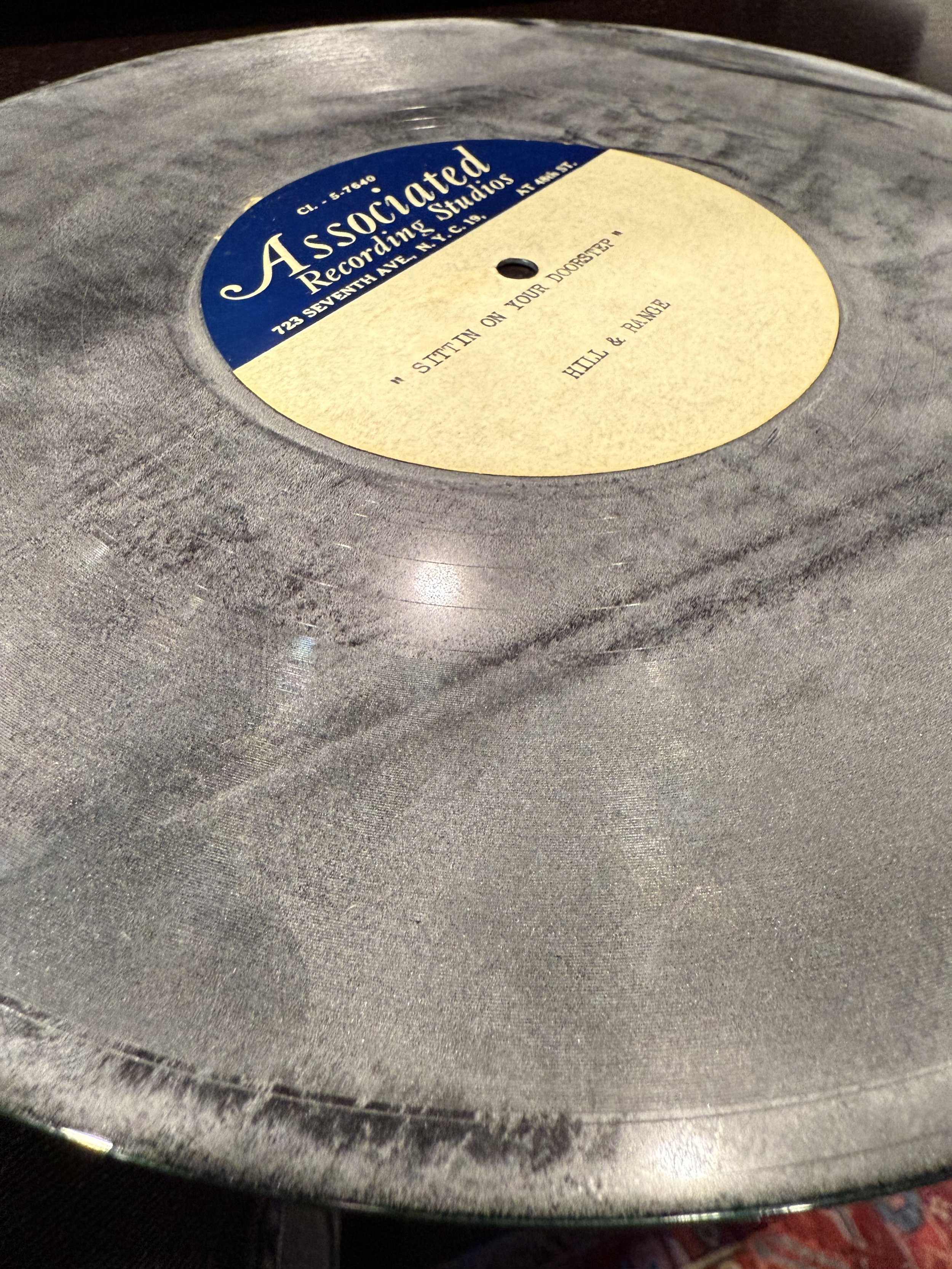
Palmitic acid buildup

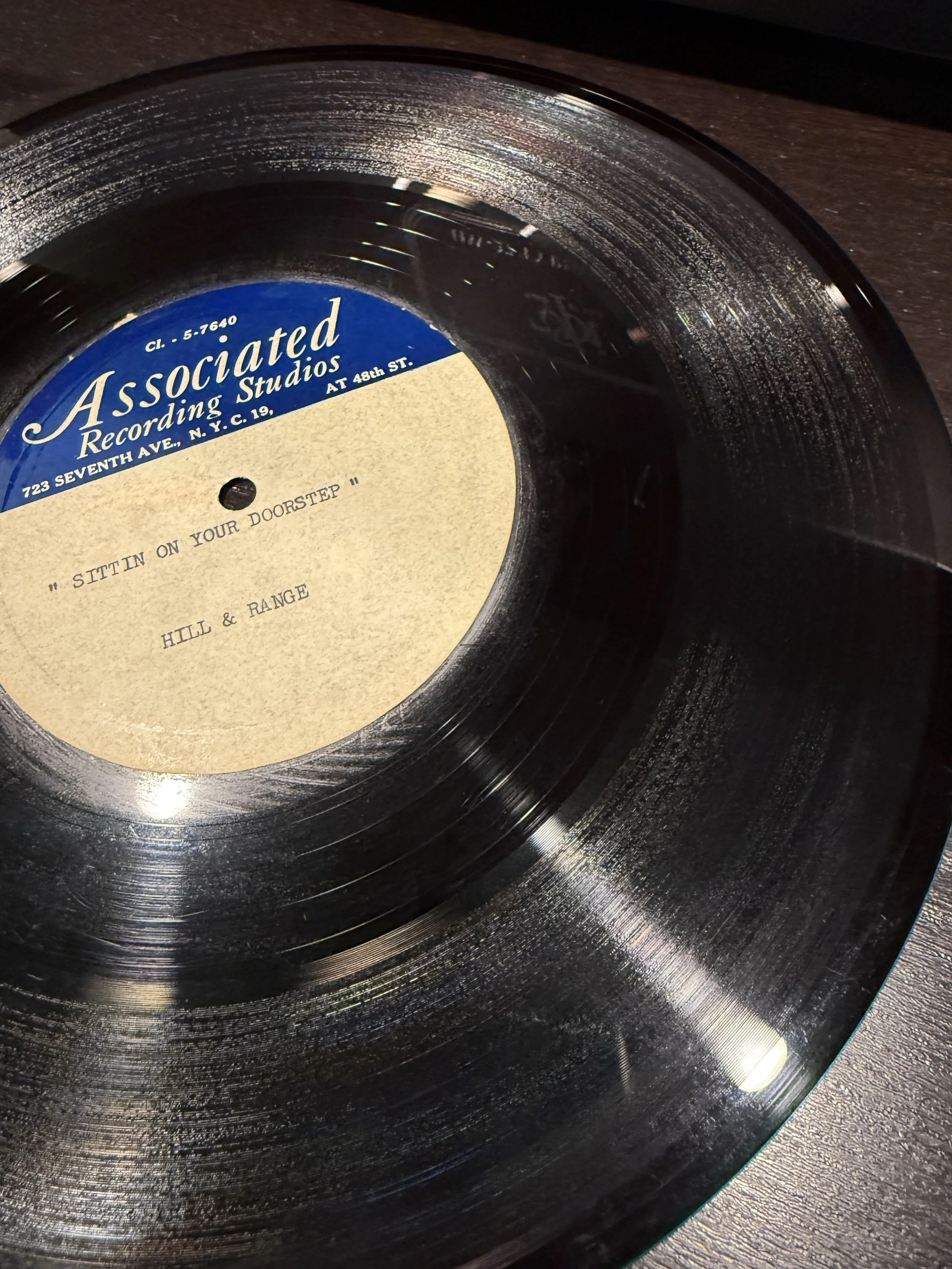
Palmitic acid removed

removing Palmitic Acid

We use a mixture of distilled water and two types of Tergitol (.25 parts Tergitol 15-S-3 and .25 parts Tergitol 15-S-9 per 100 parts distilled water). Tergitol is a mild non-ionic surfactant that lowers water’s surface tension and dissolves palmitic acid safely. We’ve used this mixture for over 25 years on countless priceless acetates and shellac discs with excellent results.

One of the most common problems we encountered was palmitic acid — a white, waxy residue that forms as lacquer decays. It often looks like mold, but it isn’t. Left untreated, it renders a disc nearly unlistenable. Thankfully, it cleans up well.

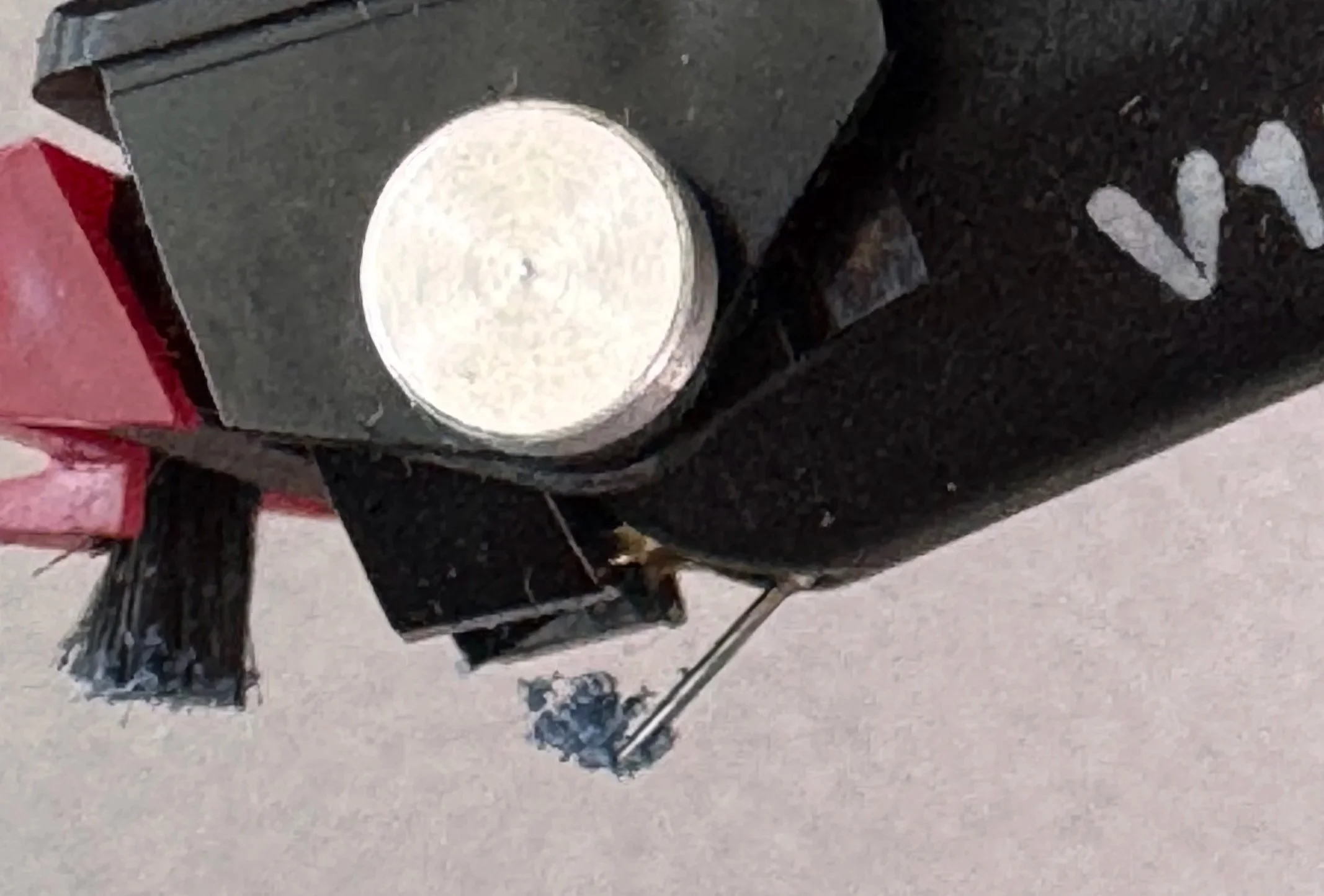
Even after cleaning, another issue emerged. As I listened, the sound would slowly darken. High frequencies disappeared. Distortion crept in. The stylus was getting dirty — not from any debris left after cleaning, but from the lacquer itself, which was breaking down and collecting on the tip.

The only solution was careful listening.  The moment the sound shifted, I lifted the tonearm, cleaned the stylus, and dropped it back a few seconds earlier. Over and over again. The final transfer would later be spliced together in the studio.

Here’s what that sounds and looks like.

And the spliced version.

In the end, we had more than 130 fragmented WAV files that needed to become coherent performances again.

Here’s one more transfer. This particular acetate should have been played at 78 RPM, but because it was bent so severely, causing the lacquer to flake off, the only way to keep the stylus in the groove was to play it at 33⅓ RPM.

This recording didn’t make the final release. But restoration often works this way — you go all the way through the process just to understand what you have.

The extended time it was taking to play the acetates completely disrupted my original time estimates. We only had five days booked, and extending wasn’t possible. Then, three days in, Joy tested positive for COVID. We decided the safest option was for Joy and me to quarantine in our room and continue working — without Cheryl and Audrey’s assistance.

Somehow, we finished all 300+ transfers.

Back in Los Angeles, I tested positive as well. This is where Jordan McLeod enters the story. Jordan has worked with us at Osiris Studio since 2020 and is one of the finest restoration engineers I know. I explained what we were dealing with and handed him a mountain of work.

At that point, we were still discovering what we had. Many acetates hadn’t been heard in decades. The transfers needed to be listenable before the producers could even begin making decisions. Preservation and discovery were happening simultaneously.

Restoration as Craft

Automated tools are only a starting point. Real restoration happens manually, inside a spectrogram editor, one gesture at a time. Across this project, two techniques dominated the work: smoothing unstable noise floors and preserving transients — what we call Transient Saving.

Sputtering and Hissing Noise — “Moving Day Blues”

After de-clicking, underlying noise becomes more apparent and draws attention away from the music.

The goal isn’t silence, but consistency — a noise floor that fades into the background of the listener’s perception. Here’s the same section after manual noise leveling.

All of this noise must be manually highlighted and adjusted until it becomes visually and sonically consistent. The goal is for the noise to disappear into the background of the listener’s mind.

This consistency also matters for spectral de-noising. This type of broadband noise reduction works best on an even noise floor. Inconsistent noise creates artifacts — the brittle, artificial kind that remind you a computer is involved. We avoid those at all costs.

Transient Saving — “Book Of Time”

Transient Saving is a technique I developed around 2014.  It’s about protecting the life of a performance. Guitar plucks, drum hits, claps — these are the moments that give a recording energy. De-clicking removes clicks, but it often removes those transients too. Have a listen to the original transfer and notice the transients of the guitar, along with the clicks and pops:

After de-clicking, the clicks are gone, but so are transients. Here is the song after it has been de-clicked, listen again for transients of the guitar — they’ve been removed and the recording sounds dull and lifeless now.

The technique we use is to separate the transients by having the delta of the de-clicker playing on another track in parallel. Below, the top track is the original audio, de-clicked, and the bottom track are the transients along with some clicks and pops. We also use a noise gate on the saved transients track to help isolate the low level surface noise from the louder transients and clicks.

Here’s the transients track isolated. Notice you can hear the guitar plucks in there that we want to save.

As mentioned before, there are still loud clicks alongside the transients, but not as many. Now it’s just a matter of manually separating the good from the bad to ultimately recover the lost transients.

There is no automation for this. No AI. Just listening, editing, and time. Across this project, more than 160 songs required this level of care. Jordan spent over 350 hours restoring these recordings.

Mastering, Interrupted

The project was always conceived as a multi-disc set, each disc shaped around a theme. One disc — songs Doc pitched to Elvis — would also be released as a standalone LP for Record Store Day. That became my first mastering deadline.

I finished mastering that disc on the evening of January 7th. Shortly afterward, a neighbor posted about a fire in the San Gabriel Mountains behind our home in Altadena. This was the view from our backyard.

We evacuated that night, assuming we’d return in the morning. We didn’t.

The Eaton Fire consumed Altadena over the next several days, Alongside the Palisades Fire, it became one of the worst fire events in U.S. history.  It would take three days before we learned that our home and studio had survived. Many others, including Cheryl and Audrey’s, did not.

There’s a limit to how much live news coverage of wildfires destroying your community one can take. I wanted to stay informed, to understand what was happening, but at a certain point I needed an escape. Music has always been a refuge for me, and somewhere in the back of my mind I knew the deadline for the Elvis disc was approaching.

As devastated as Joy, Cheryl, Audrey, and I were, we needed something positive to focus on. It might seem strange to worry about a project deadline while something so catastrophic was unfolding, but events like the Eaton Fire leave you with no agency at all. There is nothing you can do to affect the outcome.

What I did have control over was finishing this record. And after all the work that had gone into it — months of transfer, restoration, and care — that sense of purpose mattered more than ever.

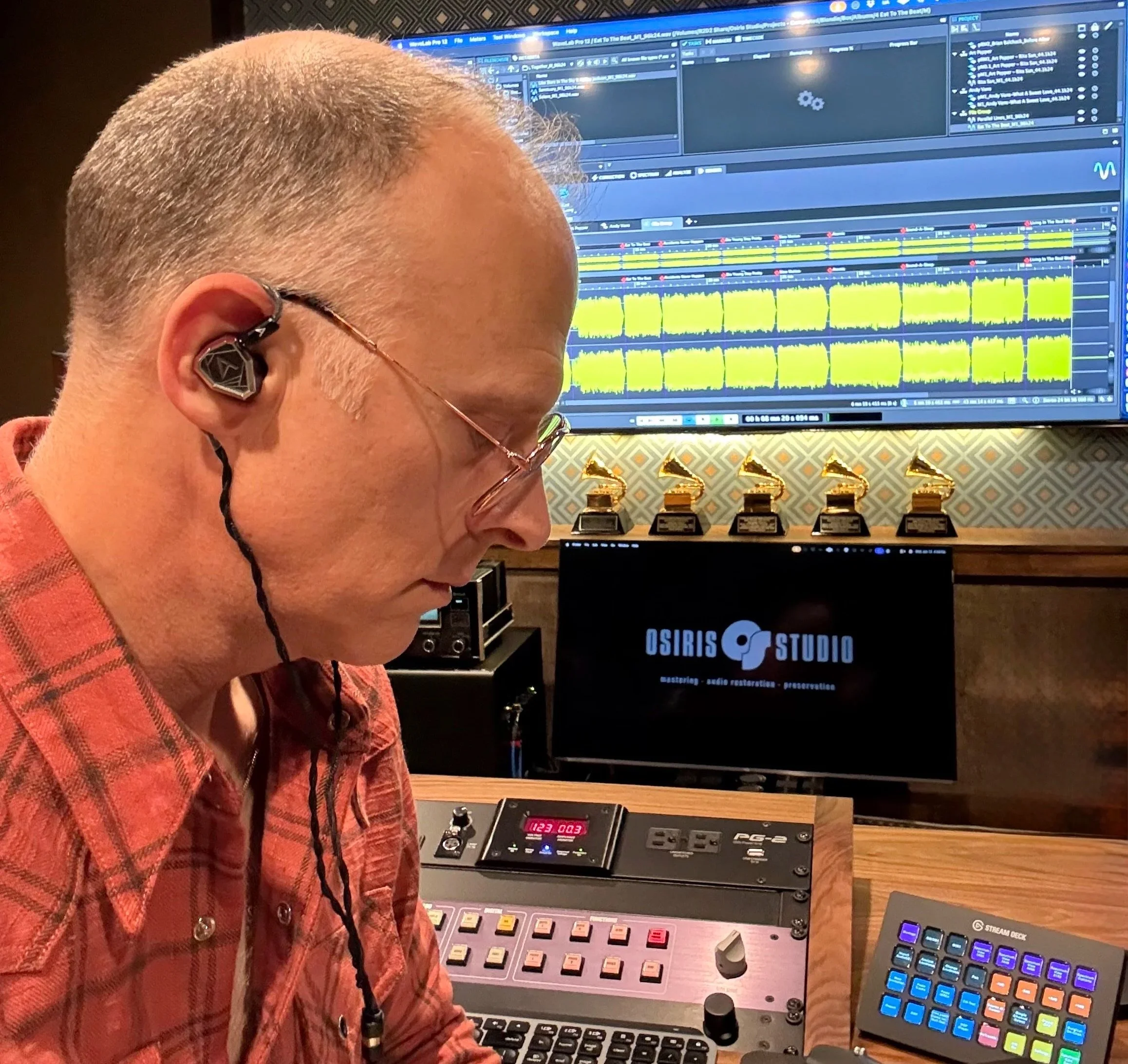
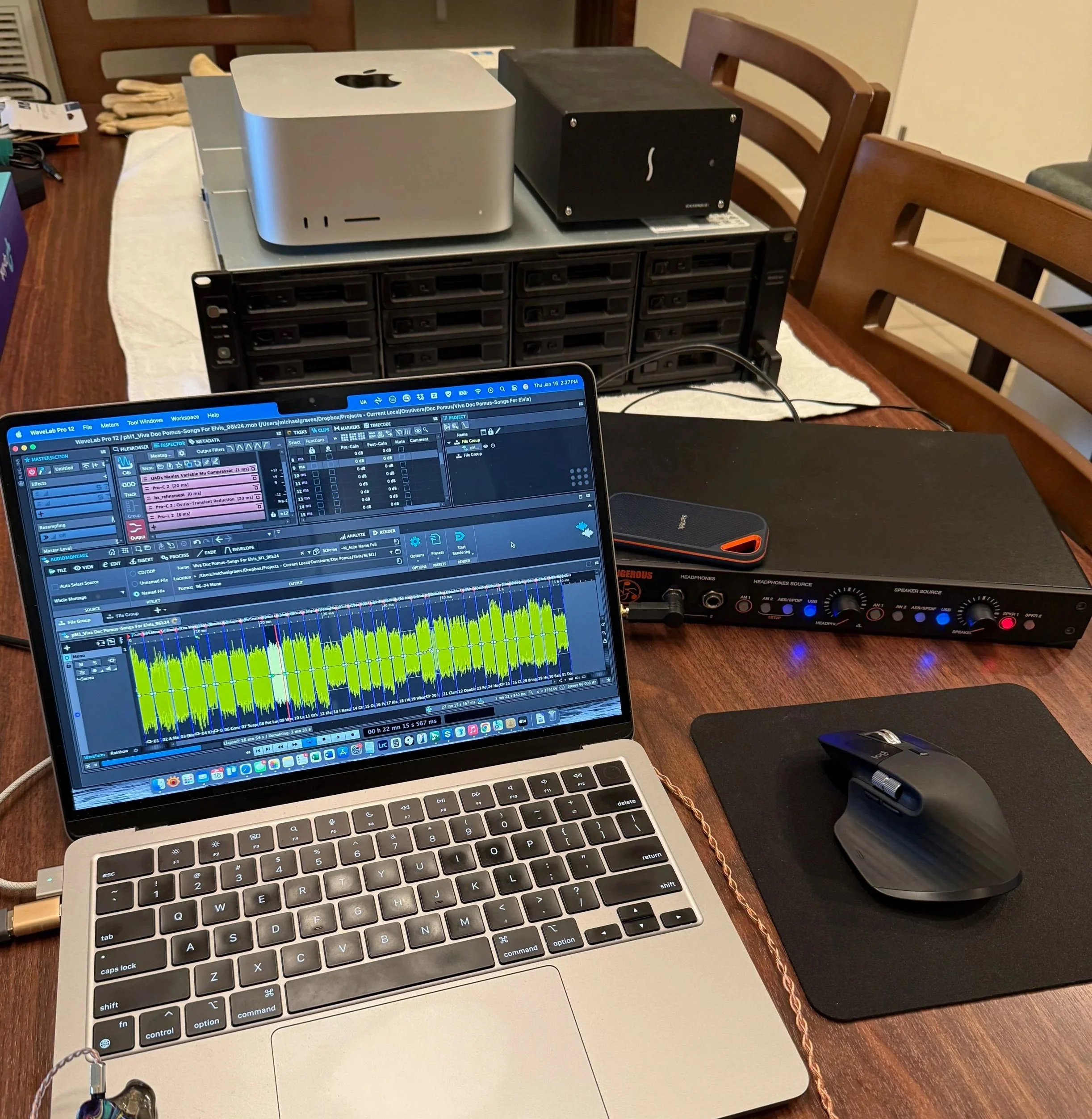
I set up a makeshift studio in our hotel room and relied on my trusted in-ear monitors to make final checks. Equally important was Jordan’s review of everything in his mastering room in Nashville. A few adjustments were made, and the masters were delivered.

Viva Doc Pomus: Songs for Elvis (The Demos) was released for Record Store Day 2025.

We were finally able to return to the studio in mid-February, and I completed the remaining five discs under somewhat normal conditions. Doc Pomus – You Can’t Hip A Square: The Doc Pomus Songwriting Demos was released on August 15, 2025 to very positive reviews.

On November 7, 2025, the boxed set received a GRAMMY nomination for Best Historical Album.

Osiris Studio Celebrates Multiple GRAMMY Nominations

Michael Graves & Jordan McLeod Honored for Best Historical Album Restoration & Mastering

Osiris Studio is proud to announce that Michael Graves and Jordan McLeod have each received three nominations for the 68th Annual GRAMMY Awards in the category of Best Historical Album. Additionally, albums mastered and/or restored here at Osiris Studio have been nominated for Best Album Notes and Best Contemporary Blues Album.

The nominated projects span continents, decades, and musical traditions, united by a shared commitment to preserving and presenting culturally significant recordings at the highest level.

And the Best Historical Album nominees are…

You Can’t Hip a Square: The Doc Pomus Songwriting Demos

Omnivore Recordings
Various Artists

This expansive anthology offers a rare deep dive into the genius of legendary songwriter Doc Pomus through previously unheard demos and performances, painstakingly digitized, restored, and mastered from his original acetates. Spanning classic rock, pop, and R&B origins, the collection reveals Pomus’s profound influence on 20th-century music, presenting seminal recordings that helped shape the sound of generations.

Roots Rocking Zimbabwe: The Modern Sound of Harare Townships 1975–1980

Analog Africa
Various Artists

Captured during a period of immense cultural and political transformation, Roots Rocking Zimbabwe documents the electrifying emergence of township rock in and around Harare. Drawing from rare and often fragile source materials, the album brings renewed clarity and impact to recordings that blend traditional African rhythms with rock, funk, and soul influences, preserving a vital chapter in Zimbabwean musical history.

Super Disco Pirate: De Tepito Para el Mundo 1965–1980

Analog Africa
Various Artists

Super Disco Pirata uncovers the vibrant underground world of Mexican pirate radio and disco culture, where global sounds were reinterpreted and rebroadcast far from official channels. Through careful restoration and mastering, this collection revitalizes raw, elusive recordings from the Tepito neighborhood and beyond, illuminating a bold, unconventional musical movement driven by community, experimentation, and dance-floor energy.


A Shared Recognition

The Best Historical Album category honors excellence in the preservation, restoration, mastering and presentation of historically significant recordings. To receive three nominations in a single year is a testament to the collaborative work between Graves and McLeod, and to Osiris Studio’s ongoing mission to safeguard musical history while making it accessible and engaging for contemporary listeners.

for Best Album Notes…

Adios, Farwell, Goodbye, Good Luck, So Long: On Stage 1964–1974

Omnivore Recordings
Buck Owens and His Buckaroos

Adios, Farwell, Goodbye, Good Luck, So Long: On Stage 1964–1974 is the first comprehensive look at this era, featuring 78 tracks across 3 CDs/digital, including 75 tracks making their CD debut. Highlights include the newly discovered Live From Richmond, Virginia, 1964, along with performances from Japan, New Zealand, the Sydney Opera House, and U.S. Top 10 albums Big in Vegas and Live at the Nugget. The set also premieres 20 previously unreleased performances, spanning rare appearances from 1967–1973.

Restored by Michael Graves and Jordan McLeod and mastered by Michael Graves, the collection’s writer and co-producer Scott B. Bomar is nominated for his excellent in-depth essay.

And for Best Contemporary Blues Album…

Family

Alligator Records
Southern Avenue

Mastered by Michael Graves and recorded in Memphis at the legendary Royal Studios (Al Green, Ann Peebles, Bruno Mars), Family is a vibrant blend of Memphis soul and blues, warm sister harmonies, and positive messages reminiscent of The Staple Singers. From the irresistible “Upside” to the closing, ruminative “We Are,” Family unveils hard-hitting, universal truths about the unshakable power of togetherness.

We are deeply grateful to our clients and friends at Omnivore Recordings, Analog Africa, Alligator Records and everyone involved in bringing these projects to life.

The GRAMMY Awards ceremony will take place on February 1, 2026 at the Crypto.com Arena in Los Angeles, CA.

Michael Graves Judges Tune Titans at Tec de Monterrey Puebla

Audio Mastering, Sound Design, and Music Production Education in Mexico

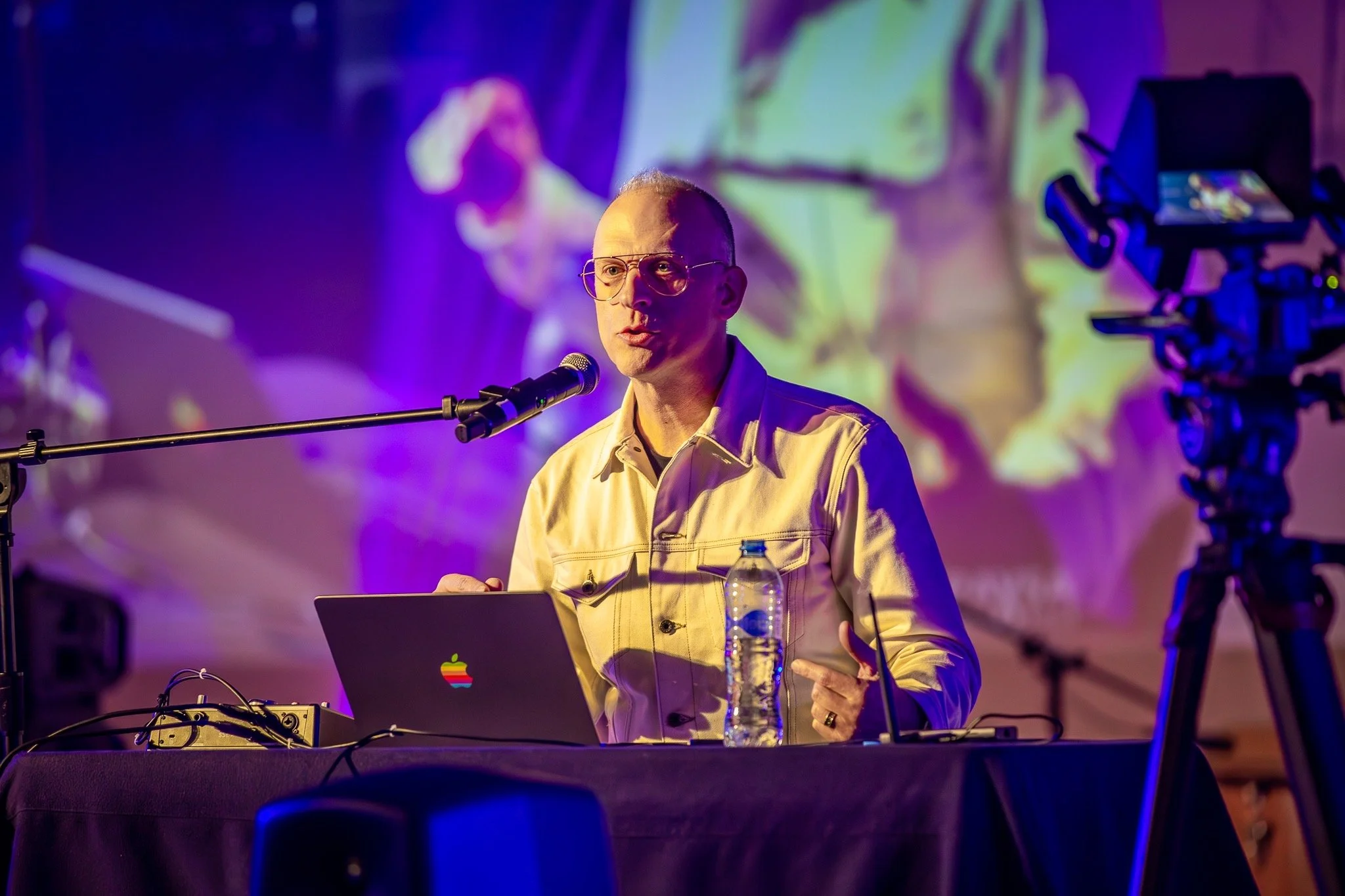
Michael Graves speaking at the 2025 Tune Titans Competition, Tecnológico de Monterrey, Campus Puebla, November 21, 2025

Michael Graves recently traveled to Puebla, Mexico, to serve as a judge for Tune Titans, a production music and sound design competition hosted by Tecnológico de Monterrey, Campus Puebla.


Professional Audio Education Meets Real-World Industry Standards

Tune Titans places students directly in front of real-world industry expectations, and the scope and quality of the work on display reflected a strong commitment to professional-level audio production. Students from multiple Tec de Monterrey campuses presented original projects spanning studio recording, music production, and sound design for visual media, all evaluated under conditions that closely mirror commercial workflows.

Judging the Next Generation of Audio Professionals

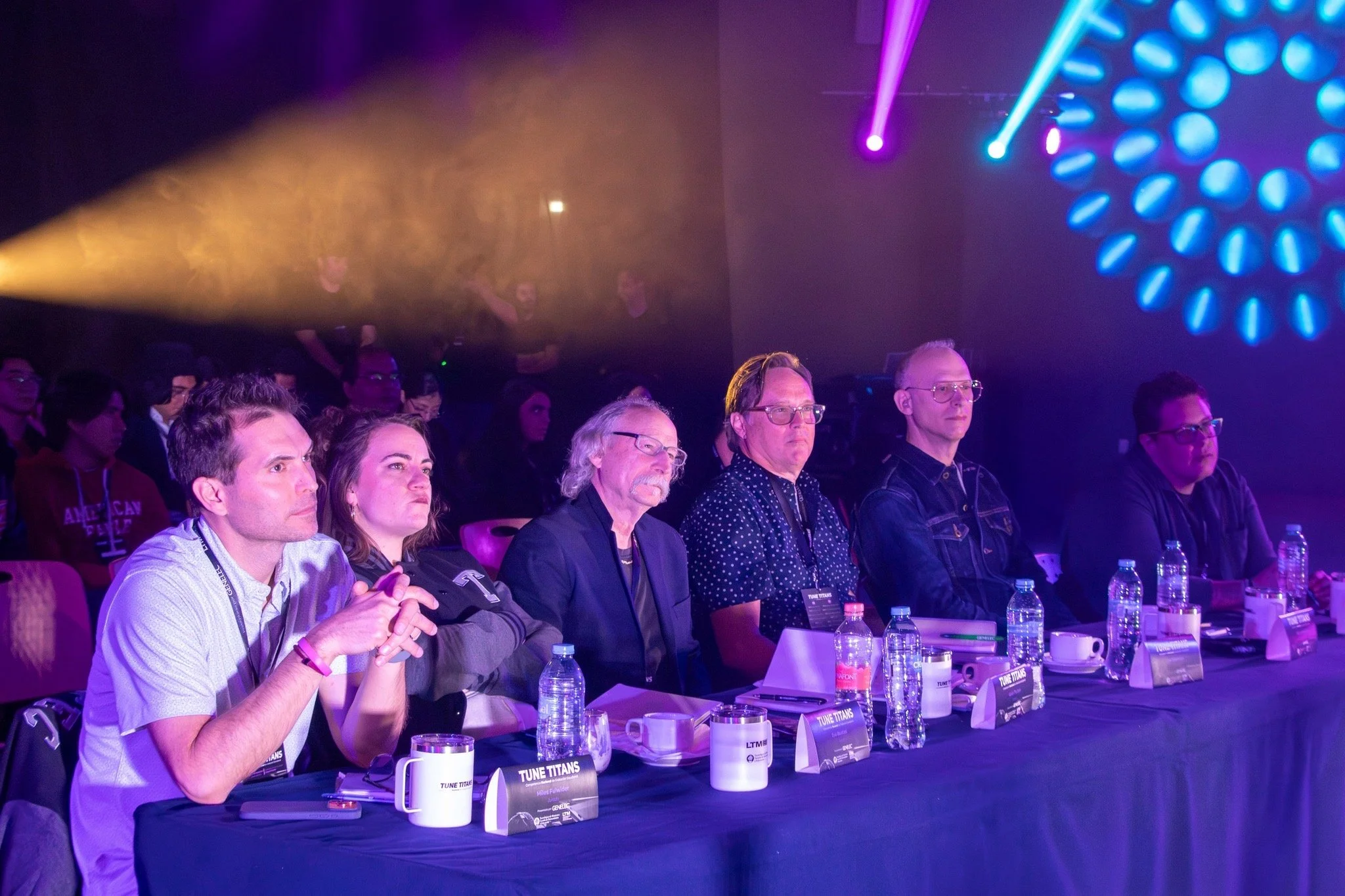
(L-R) Miles Fulwider, Eva Reistad, Allan Tucker, Joe Baldridge, Michael Graves and Erik Bada. 2025 Tune Titans Competition, Tecnológico de Monterrey, Campus Puebla, November 20, 2025

As part of the judging panel, Graves joined fellow audio professionals Joe Baldridge, Eva Reistad, Allan Tucker, Miles Fulwider, and Erik Bada, listening closely to student projects, offering detailed feedback, and sharing insights drawn from decades of experience working professionally with music. He enjoyed sharing his time and expertise with the students, whose enthusiasm, curiosity, and creativity made the experience especially rewarding.

Discovering Puebla, Mexico

Beyond the competition, Graves welcomed the opportunity to get to know Puebla, a city known for its rich history, vibrant culture, delicious food, and warm hospitality. Exploring the city and spending time on campus added a meaningful cultural dimension to the professional exchange.

Supporting the Future of Music Production

Events like Tune Titans underscore the strength of music production education in Mexico and the growing talent of the next generation of audio professionals. Graves is grateful to Tec de Monterrey Puebla for the invitation to serve as a judge and for the opportunity to connect with such dedicated students while experiencing one of Mexico’s most remarkable cities.

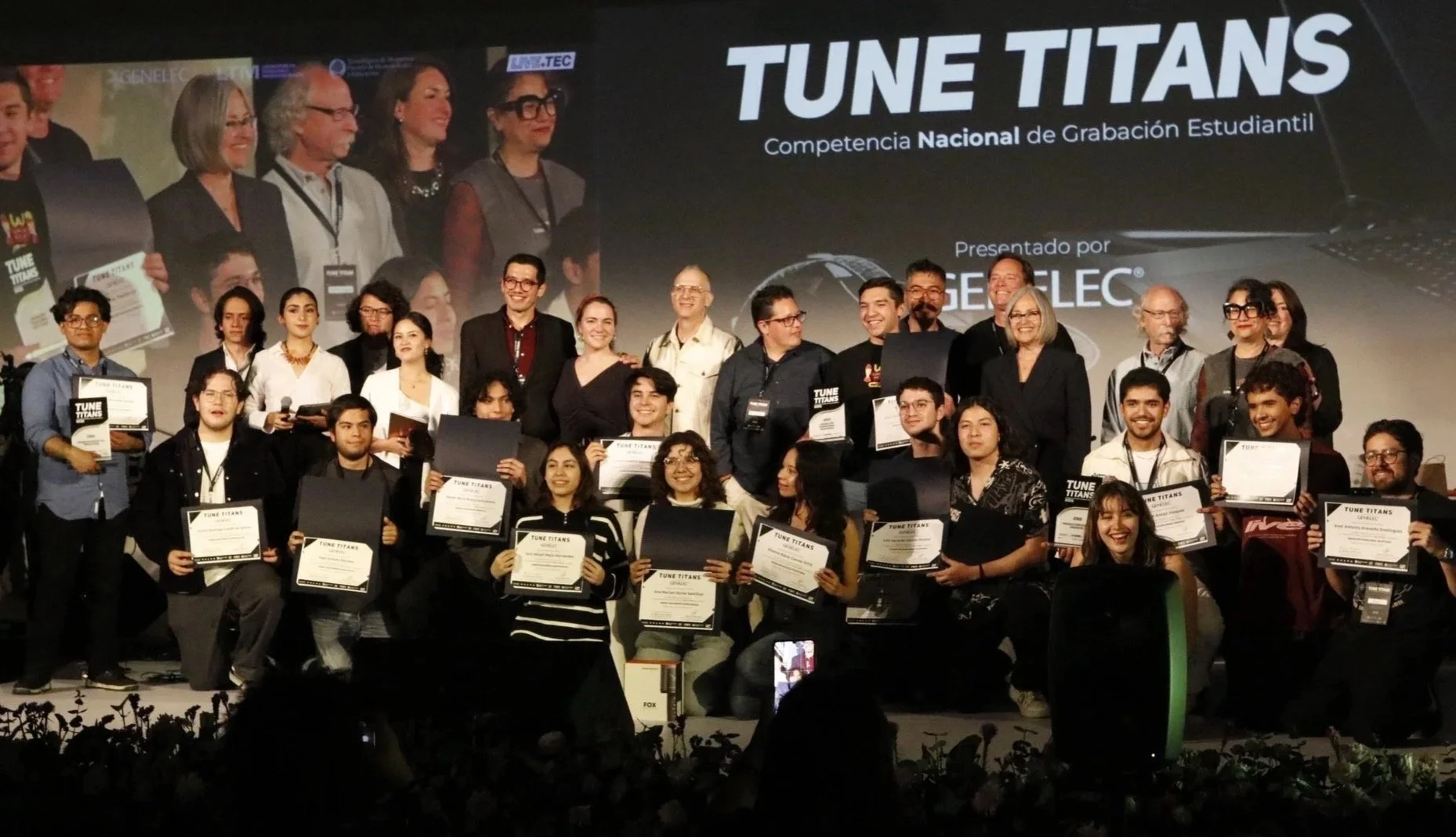
2025 Tune Titans Competition winners along with faculty and judges, Tecnológico de Monterrey, Campus Puebla, November 21, 2025

Ray Charles’ Tangerine Master Series Remastered by Michael Graves

Tangerine Records continues its celebration of Ray Charles with the Tangerine Master Series—an expansive campaign of restored and remastered reissues that revisit key moments across Charles’ genre-defying catalog. The series, overseen by The Ray Charles Foundation, brings classic albums back into circulation on vinyl, CD, and streaming, with a combination of meticulous archival restoration and mastering precision.

At Osiris Studio, we’re honored to contribute to this ongoing effort, with mastering by Michael Graves and lacquers cut by acclaimed vinyl mastering engineer Jeff Powell. Each title is presented with renewed clarity, musical integrity, and depth—fully realized for both new listeners and longtime collectors alike.

Tangerine Master Series 2025 Releases

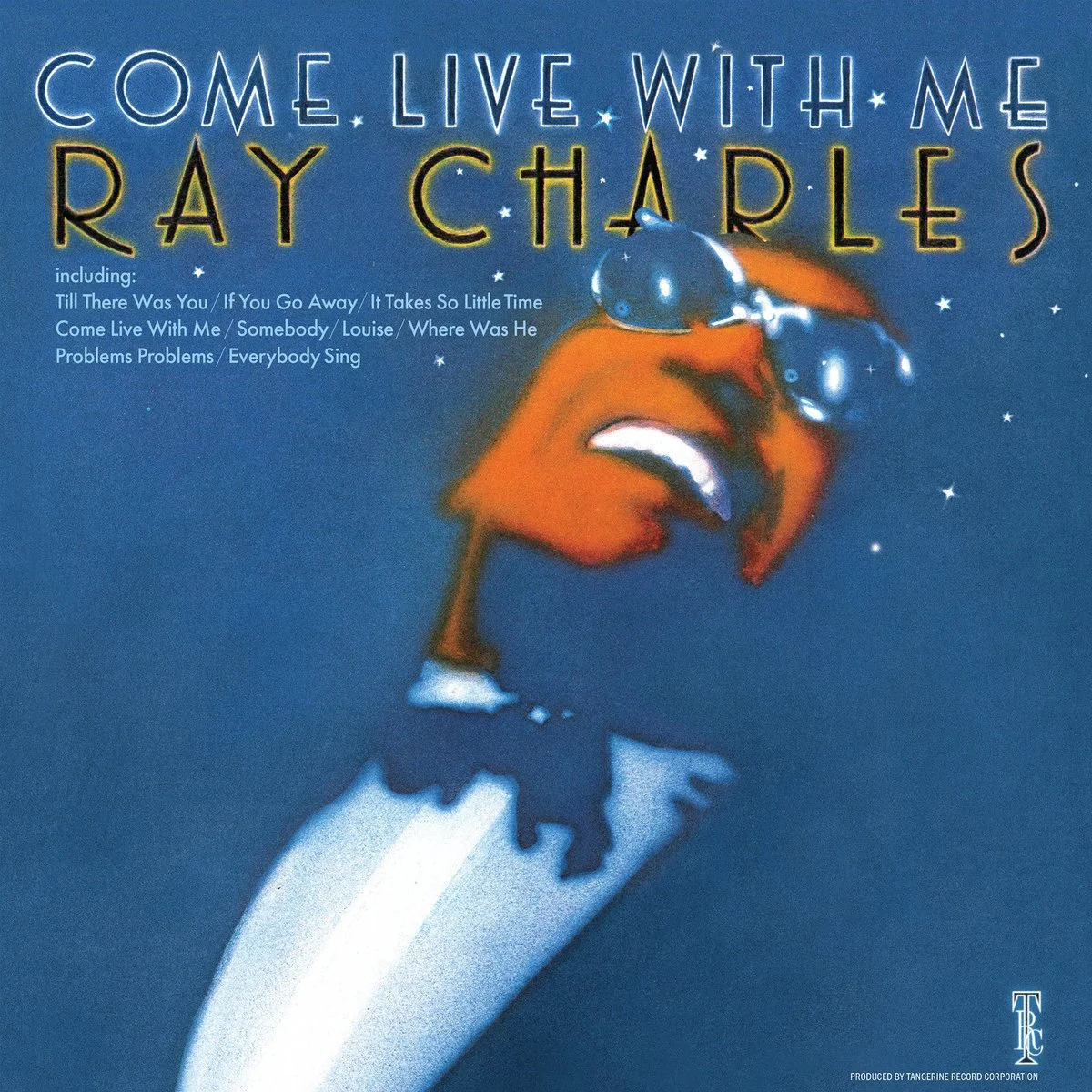
Come Live With Me — August 22, 2025
The series launched on August 22, 2025, with the long-awaited return of Come Live With Me, issued on vinyl for the first time in over 50 years. Originally released in 1974, the album blends pop, gospel-infused soul, country-tinged balladry, and spirited R&B—showcasing Charles’ unmatched versatility at a peak moment in his career.

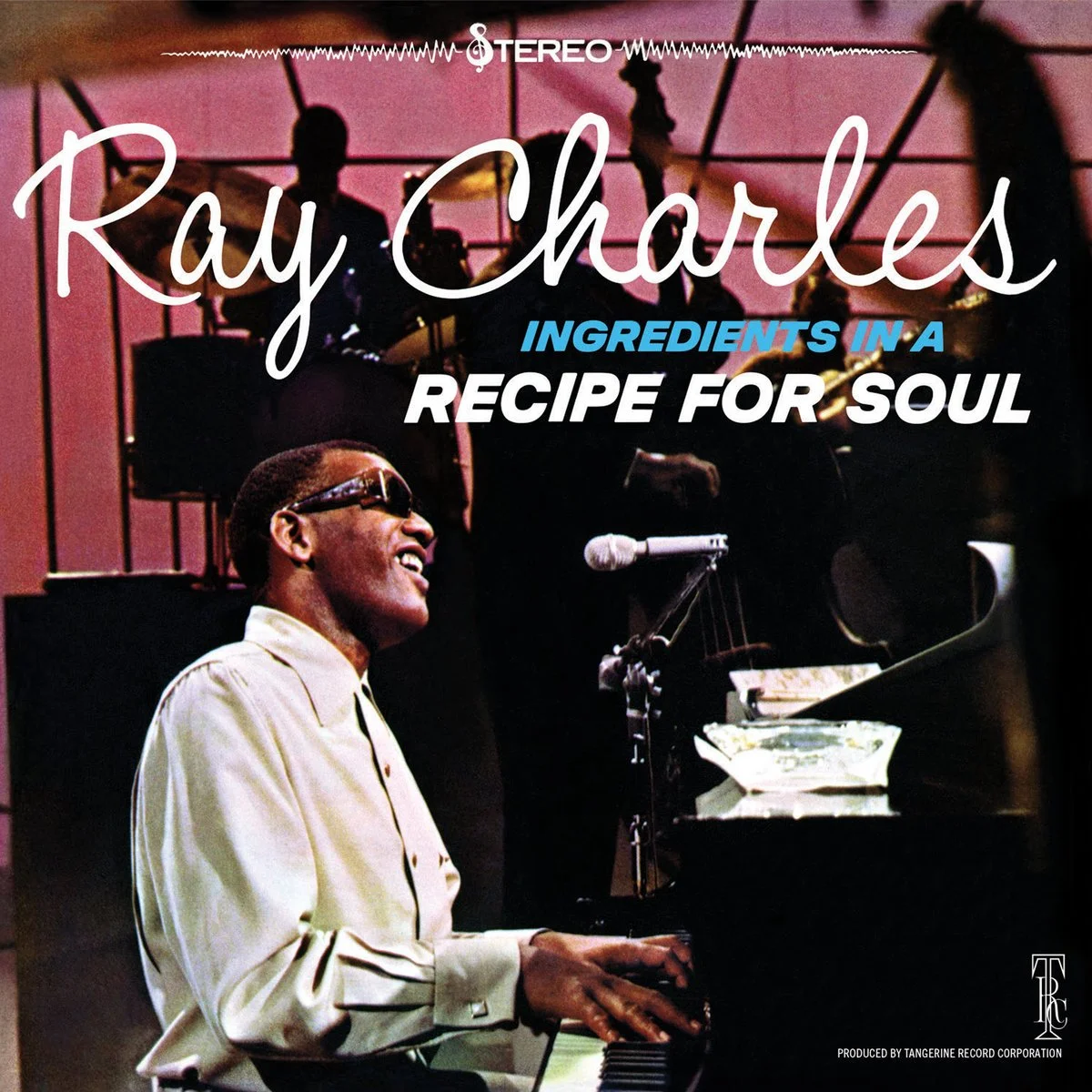
Ingredients In A Recipe For Soul — September 19, 2025
Following Come Live With Me, Ingredients In A Recipe For Soul was reissued as part of the Master Series. Originally released in 1963 and reaching #2 on the Billboard 200, the album features the GRAMMY®-winning Top-5 hit “Busted” and stands as one of Charles’ most enduring and stylistically rich works.

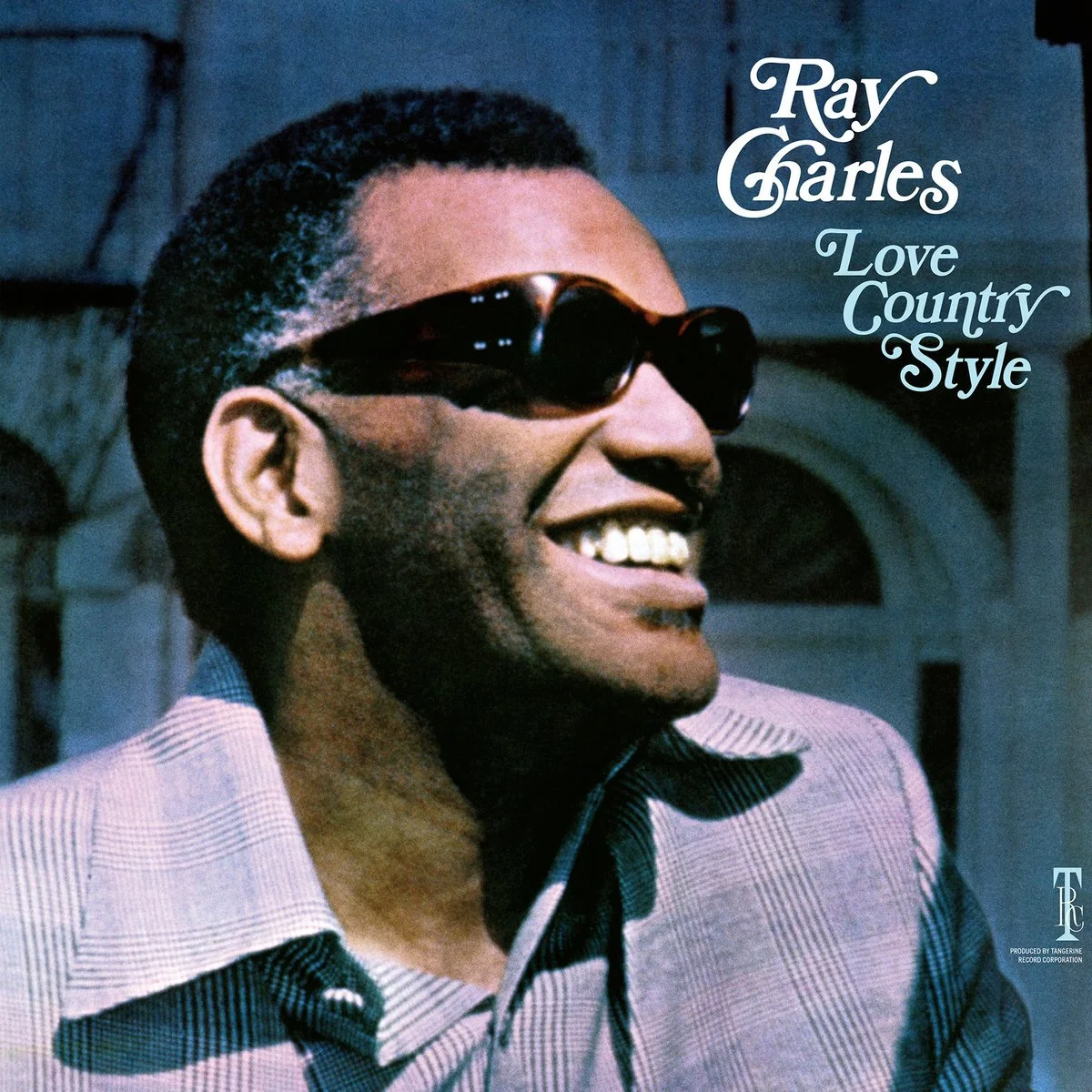
Love Country Style — October 24, 2025
Next in the line is Love Country Style, Ray Charles’ 1970 studio album and one of his finest examples of country crossover work. Long out of print, this reissue brings Charles’ soulful interpretations of country material back into the public eye, including his lush rendition of “Ring Of Fire.”


No One Does It Like…Ray Charles! — November 21, 2025
Closing out the current slate is No One Does It Like…Ray Charles!, a fantastic collection compiling mid-1960s singles, rare B-sides, and non-LP tracks into one coherent album. This release offers a rare glimpse into a prolific and creatively explosive period in Charles’ multi-decade career.

This ongoing Tangerine Master Series provides listeners with expansive access to Ray Charles’ artistry—reviving classics that shaped soul, country, R&B, and pop, and ensuring his legacy continues to inspire across generations.

Christopher Cross on Omnivore Recordings

Archival Restoration & Mastering at Osiris Studio

In 2025, Christopher Cross’s early catalog received a thoughtful, archive-driven reexamination through two releases from Omnivore Recordings. While closely related in era, each project tells a different story: one peers behind the curtain of a landmark debut through restored demos and rarities, while the other assembles the definitive collection of Cross’ worldwide singles from the 1980s.

Both titles were mastered at Osiris Studio by Michael Graves, with vinyl lacquers cut by Jeff Powell.

Christopher Cross (Expanded Edition)

Release date: June 20, 2025

Christopher Cross’ self-titled debut remains one of the most immaculately produced albums of its era. For Omnivore’s Expanded Edition, the original album master—famously mastered by Bernie Grundman—anchors the release. At Osiris Studio, the focus shifted to what surrounds that classic LP: the bonus material, restored and mastered from original sources to complement, rather than compete with, the original album presentation.

The expanded program includes 11 bonus tracks, highlighted by the rare non-album single “Mary Ann” and a series of previously unissued demos from the original sessions. These recordings offer a rare opportunity to hear the album in progress. While the arrangements are still taking shape, the demos are remarkably well recorded, capturing much of the clarity, confidence, and musicality that would later define the finished record.

Restoration and mastering were approached with restraint and intent—preserving the immediacy of the original recordings while ensuring tonal balance and coherence across the expanded program. The goal was transparency: letting these early performances speak for themselves while integrating them seamlessly into a modern reissue context.

All Right: The Worldwide Singles 1980–1988

Release date: November 14, 2025

If Expanded Edition explores process, All Right: The Worldwide Singles 1980–1988 documents impact. This release marks the first comprehensive collection of Christopher Cross’ worldwide single masters, spanning his most commercially and culturally influential years.

In contrast to the expanded debut, all audio on this collection was mastered by Michael Graves at Osiris Studio. The set brings together original single edits, mixes, and variations—often subtly different from their album counterparts—many of which were heard first on radio and regional pressings, yet rarely gathered in one definitive release.

Produced by Cheryl Pawelski and Brad Rosenberger, with liner notes by Garrett Price (Yacht Rock: A Dockumentary), the release functions as both a historical document and a focused listening experience—tracing how Cross’ recordings traveled across formats, territories, and airwaves throughout the 1980s.

At Osiris Studio, archival mastering is always about context—understanding where a recording came from, how it was originally heard, and how best to present it for the future. These two Christopher Cross releases offered the opportunity to honor both the process and the legacy, each from a different vantage point.

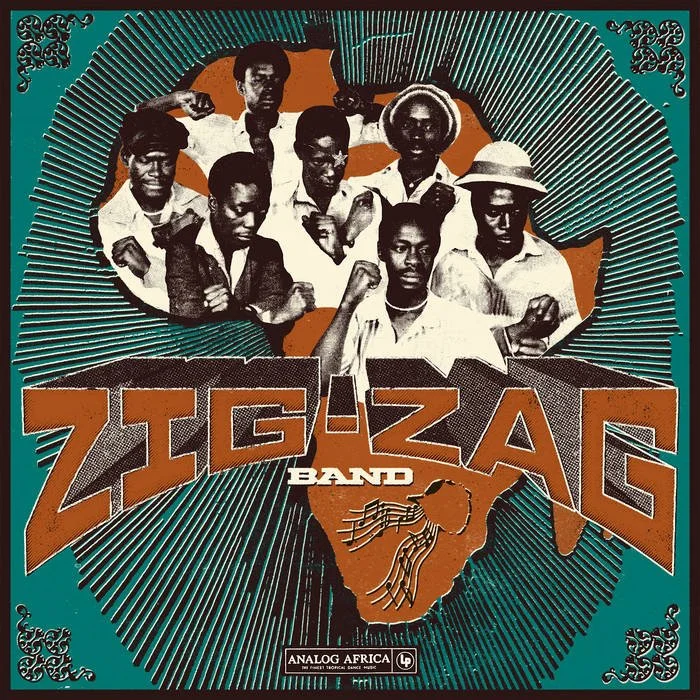
Zig-Zag Band – Chigiyo Music Kings 1987–1998

Release Date: November 7, 2025
Label: Analog Africa
Mastering: Michael Graves
Audio Restoration: Jordan McLeod

We’re happy to share news of a powerful new release from Analog Africa: Zig-Zag Band: Chigiyo Music Kings 1987–1998, a deep, vibrant compilation that shines a long-overdue spotlight on one of Zimbabwe’s most original and influential bands.

Emerging in the early 1980s—during Zimbabwe’s formative post-independence years—Zig-Zag Band quickly established a singular voice. Their music fused reggae, traditional rhythmic foundations, brass arrangements, and mbira-inspired guitar into a kinetic, dance-driven sound that came to be known as Chigiyo, named after a traditional dance from the Chimanimani region.

Formed in Kwekwe under the mentorship of Robson Kadenhe and led by guitarist Gilbert Zvamaida, the band’s approach was fearless and uncompromising. Intricate guitar interplay, infectious grooves, and raw, soulful Shona vocals defined their recordings. At a time when many artists pursued more commercially predictable paths, Zig-Zag Band stayed fiercely independent—prioritizing authenticity, innovation, and cultural expression.

This Analog Africa release brings together material recorded between 1987 and 1998, carefully restored and mastered to honor the original spirit while revealing new depth and clarity. The compilation is accompanied by insightful liner notes from Zimbabwean music specialist Banning Eyre and is housed in a striking three-color screen-printed cover.

At Osiris Studio, it was an honor to help bring this essential chapter of Zimbabwean musical history back into focus. Chigiyo Music Kings 1987–1998 not only celebrates Zig-Zag Band’s lasting cultural impact, but also reintroduces a groundbreaking, unjustly overlooked body of work to a new generation of listeners.
UCSB Library partnership with Dust-to-Digital Foundation

Around 2011 Lance and April Ledbetter asked Michael Graves to join the nonprofit Dust-to-Digital Foundation as the technical advisor. The goal was to digitize rare 78 rpm record collections built by collectors who devoted their lives to finding them. They put together a turnkey remote digitization setup and trained people within the community to do the work so that the collections could be digitized without leaving their homes.  Collectors who opened their doors to the foundation included, Roger Misiewicz, Frank Mare, Nathan Salsburg and Joe Bussard, whose obsession built one of the most culturally important private archives in the United States.  To date more than 50,000 recordings have been preserved.

Now, we’re happy to report that the Dust-to-Digital Foundation and the University of California, Santa Barbara have partnered to make thousands of those historic recordings freely accessible to the public through the Discography of American Historical Recordings (DAHR)

Tehrangeles Vice (Iranian Diaspora Pop 1983–1993)

Restored • Preserved • Mastered at Osiris Studio

Artist: Various Artists
Title: Tehrangeles Vice (Iranian Diaspora Pop 1983–1993)
Label: Discotchari
Released: October 17, 2025
Formats: 2×LP Gatefold & Digital

A Sonic Time Capsule from Tehrangeles

Discotchari’s Tehrangeles Vice is more than a compilation—it’s a time capsule of a community, a city, and a sound that traveled farther than it was ever meant to. Drawn from Iranian diaspora pop recorded in Los Angeles between 1983 and 1993, these tracks capture the pulse of “Tehrangeles” (Tehran + Los Angeles): a creative hub built by artists and producers displaced by the 1979 Iranian Revolution, reimagining Persian pop through the studio ecosystem of Southern California.

In that context, the cultural significance of Tehrangeles Vice isn’t just musical—it’s historical. As NPR’s All Things Considered highlights, Tehrangeles pop emerged from exile, carried the aesthetics of L.A. studios and video culture, and circulated in ways that mattered deeply: the music was banned by the Islamic Republic yet embraced by listeners, often moving through informal networks and home-media channels. That tension—visibility versus restriction, celebration versus censorship—gives this music its charge, even decades later.

Osiris Studio Mastering

At Osiris Studio, the goal was to honor that charge while making the album feel unified, modern, and fully immersive. Tehrangeles Vice was mastered by Jordan McLeod and Michael Graves, bringing the entire 12-track program into a cohesive listening experience while preserving the character of the original productions.

The package is equally thoughtful: lyrics and translations, archival imagery, and an expanded booklet that situates the music with clarity and care. The album notes / liner notes were written by Dr. Farzaneh Hemmasi, whose scholarship helps frame Tehrangeles as both a sonic movement and a social history.

Credits

Compilation Producers: Zachary Asdourian, Anaïs Gyulbudaghyan
Liner Notes / Album Notes: Dr. Farzaneh Hemmasi
Artwork / Art Direction: Natalee Miller
Translations: Amir Zeinali
Mastering: Jordan McLeod & Michael Graves (Osiris Studio)

7 Seconds’ New Wind Reissued by Trust Records

We’re excited to see New Wind, the 1986 LP from 7 Seconds, return in a deluxe reissue from our friends at Trust Records.

New Wind marked a bold shift for the band and was initially overlooked by parts of their audience. In the years since, the album has been widely reassessed and is now regarded by many fans as one of 7 Seconds’ strongest and most forward-thinking releases.

The original New Wind LP was transferred, restored, and mastered at Osiris Studio. Jordan McLeod handled the archival transfer and audio restoration, with mastering by Michael Graves, bringing renewed clarity and depth to the album while respecting the character of the original release.

This deluxe edition also includes a bonus LP, Change In My Head, an earlier version of the album that has been completely remixed by its original producer Ian MacKaye (The Teen Idles / Minor Threat / Fugazi), alongside Inner Ear Studios’ Don Zientara. The collection features two previously unreleased tracks, “Change In My Head” and “Compro,” restored and reimagined from the original 1985 DC session. Multi-track tape restoration and transfer for this material was provided by Dan Johnson at Audio Archiving Services, with mastering by Pete Lyman at Infrasonic Studios.

It’s an honor to have played a role in preserving and presenting New Wind, and we’re thrilled to see this important chapter of hardcore history revisited with the care and attention it deserves.